What does Social Security ask for when you apply?
The checklist below is a plain-English summary of the information SSA's starter kit says it will request for an online adult disability application. SSA may ask for more details during your interview.
About you and your family
- Date and place of birth; if born outside the U.S., the birth country name at the time and a Permanent Resident Card number if you are not a citizen
- Current spouse and certain prior spouses, with marriage dates and places
- Names and dates of birth of children who became disabled before 22, are under 18 and unmarried, or are 18 to 19 and still in secondary school full time
- U.S. military service: type of duty, branch and service dates
- An alternate contact who knows about your medical conditions and can help with your application
Work and earnings
- Employers for the current year and the prior five years: name, start and end dates, total earnings
- Self-employment for the same period: type of business and total net income
- Up to five jobs you had in the five years before you became unable to work: dates, hours, rate of pay and duties
- The date your medical condition began to affect your ability to work
- Bank account details for direct deposit
Medical information
- Doctors, other healthcare professionals, hospitals and clinics: names, addresses, phone numbers, patient ID numbers and dates of exams and treatment
- Medical tests: names, dates and who sent you for them
- Medications, prescription and non-prescription: why you take them and who prescribed them
- Other places that may hold medical records, such as vocational rehabilitation, workers compensation, public welfare, a prison or jail, or an attorney
Education and training
- Highest grade completed and when, plus any special education
- Special job training, trade school or vocational school, with completion dates
What information belongs in an SSDI provider list?
For each provider, keep contact details, the conditions treated, your first, last and next visit dates, and the tests they ordered, recorded separately so nothing gets merged.
SSA's Adult Disability Report asks for each facility or office, the provider who treated you, a phone number, the medical conditions treated or evaluated, the date first seen, the date last seen and the date of the next appointment if known. It asks separately about medical tests, the facility, and the date. A simple organizer with one row per provider keeps these details ready to copy into the form.
| Provider and facility | Address, phone, patient ID | Conditions treated | First / last / next visit | Tests ordered (name, date) |
|---|---|---|---|---|
| MM/YYYY | ||||
| MM/YYYY | ||||
| MM/YYYY |
The form notes that you may find this information on medical bills, an online medical chart or the internet. If you cannot remember exact dates, SSA asks for the closest date you can remember.
SSDI medical records organization: a simple system
Organizing records is about being able to answer the forms accurately and the same way each time. These are general suggestions, not SSA requirements:
- One provider list, as above, updated after each appointment.
- One medication list with each medicine, why you take it, who prescribed it and any side effects. The Adult Disability Report and the Function Report both ask about medicines and side effects.
- One test log with the test name, date, facility and who sent you.
- One folder for letters from Social Security, kept in date order, alongside a short log of calls and contacts.
- A note of discrepancies: if two records disagree on a date or detail, write down why, so you can explain it rather than leave it unexplained.
The dates you record here feed directly into your onset date and last-day-worked timeline, and your job details feed the Work History Report.
Can I apply for SSDI before gathering every record?
Yes. Social Security's Adult Disability Starter Kit says: "Do not delay filing your application if you do not have or remember all of the information we request. We will help you get any missing information."
A checklist or worksheet is a support tool, not a condition of filing. If you need help with the forms, SSA's instructions say to complete as much as you can and contact the office or person who asked you to complete them.
In the book
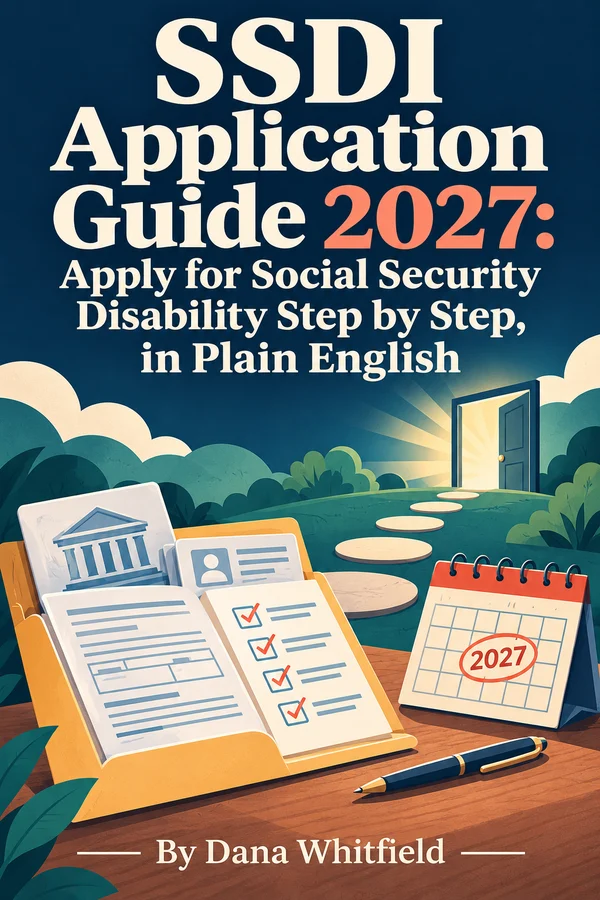
In SSDI Application Guide 2027, evidence preparation covers treatment histories, medications, identifying documents and actual job duties, with attention to discrepancies that need explanation rather than concealment. Its worksheet formats include dates, providers and medications.
Official sources
General program information on this page comes from these Social Security Administration pages and forms. Rules and dollar amounts can change, so check them directly.